
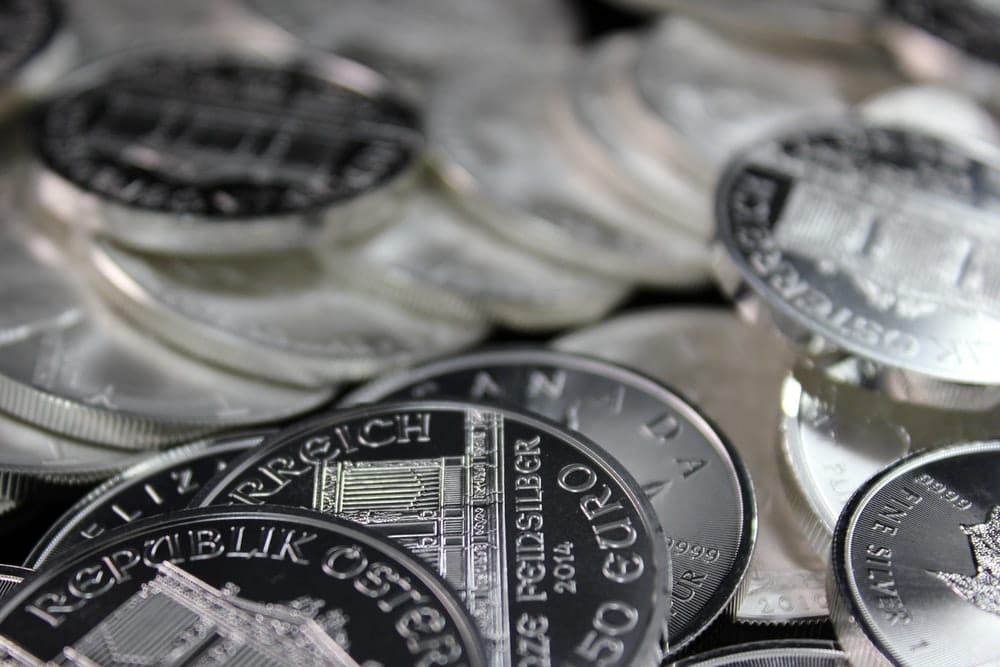
The silver market experienced a notable shift during 2025. Demand dynamics, supply constraints and renewed institutional interest combined to place silver back into focus for investors. Unlike previous cycles driven largely by monetary sentiment, silver’s performance during the year was increasingly shaped by industrial demand and physical market conditions.
Looking ahead to 2026, many of the forces that defined 2025 remain in place. These trends continue to influence how investors evaluate silver as both a precious metal and a strategic industrial commodity.
1. Industrial Demand Became the Dominant Driver
Industrial usage accounted for the largest share of silver demand in 2025. Silver industrial use hit new highs, surpassing 700 Moz with solar PV up sharply due to green energy growth. Electronics, EVs, and AI infrastructure further boosted this to over 50% of total demand (~1.2 B Moz). The Silver Institute reported record levels of industrial demand, reinforcing the view that this demand is structural rather than cyclical. (Source: Silver Institute, World Silver Survey 2025 and Mining Visuals)
What it means for 2026:
As energy transition and electrification projects expand, industrial demand is expected to remain a firm base for silver pricing.
2. Supply Constraints Persisted Throughout the Year
Silver supply showed limited growth in 2025. Mine output remained constrained, in part because most silver is produced as a by-product of base metals, limiting the industry’s ability to respond quickly to higher prices. Recycling volumes also remained relatively flat.
(Source: Silver Institute, World Silver Survey 2025 and Mining Visuals)
What it means for 2026:
With no major increase in mine supply expected, the market remains vulnerable to demand-driven tightening.
3. Institutional Positioning Brought Attention Back to Physical Silver
During 2025, market reporting highlighted increased institutional focus on physical silver holdings rather than purely paper exposure. JPMorgan amassed over 750 Moz physical silver (world’s largest stockpile, ~1 year of mine output) after flipping from shorts, relocating operations to Singapore and shifting COMEX holdings. This locked up ~10% of global supply amid tightening physical markets. This reinforced investor attention on physical availability and delivery-backed exposure.
(Source: Economic Times; Silvertrade)
What it means for 2026:
Greater institutional interest in physical silver can place additional pressure on available supply and support stronger price floors.
4. Retail Demand Exposed Pressure in the Physical Market
Retail silver demand remained strong in 2025, with periodic shortages and purchase limits reported on popular bullion products. The U.S. Mint and other official issuers cited supply constraints during the year, reflecting stress at the physical retail level. US Mint suspended Silver Eagle production on December 5, 2025, due to overwhelming demand, echoing prior 2025 halts. Premiums spiked as retail investment hit records despite high prices.
(Source: Silver Institute; CoinNews reporting)
What it means for 2026:
Persistent retail demand may continue to widen premiums and create temporary dislocations between spot prices and physical availability.
5. Volatility Increased, but Macro Conditions Remained Supportive
Silver prices experienced higher volatility than gold during 2025. Silver’s 30-day volatility exceeded gold’s (~35% vs. ~18%), fueled by Fed expectations, tariffs, and industrial sensitivity, with prices swinging $28-$48/oz. This was driven by a combination of industrial demand sensitivity, macroeconomic uncertainty, currency movements and interest-rate expectations. Despite fluctuations, the broader environment remained supportive for precious metals.
(Source: Crux Investor and Mining Visuals)
What it means for 2026:
Silver is likely to remain more volatile than gold, but the underlying macro and industrial drivers suggest continued relevance for long-term investors.
Conclusion
The events of 2025 reinforced silver’s evolving role in the global market. Industrial demand is now the primary driver, supply remains constrained, and attention has shifted toward physical availability. For investors, silver represents a higher-volatility complement to gold, offering exposure to both precious-metal protection and long-term industrial growth as the market moves into 2026.